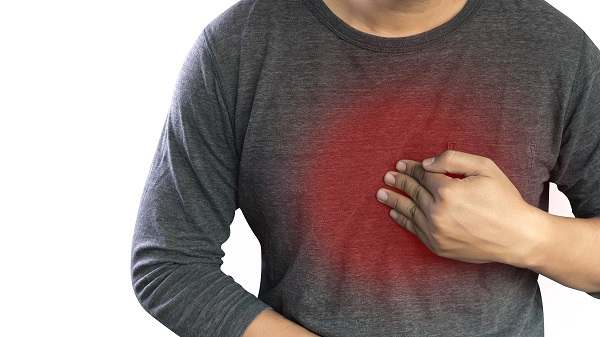
One of the most frequent statements heard in cardiology consultations is:
“I ignored it thinking it was acidity.”
For many people in their 30s and 40s, chest discomfort is often dismissed as:
- Stress
- Muscle strain
- Gas trouble
- Lack of sleep
- Tiredness
But modern cardiology trends are showing something concerning:
Heart-related symptoms are appearing much earlier than before.
According to Dr. Magesh, many young professionals delay evaluation because they don’t believe heart issues can happen at their age.
Unfortunately, this delay can sometimes become dangerous.
Modern Lifestyle Is Changing Heart Health Faster Than Ever
A decade ago, heart disease was mostly associated with older adults.
Today, doctors are seeing increasing cardiac risk among:
- IT professionals
- Business owners
- Frequent travelers
- Night-shift employees
- Sedentary workers
- Young adults with high stress levels
The combination of:
- Poor sleep
- Mental stress
- Long sitting hours
- Processed food
- Smoking
- Lack of exercise
is quietly affecting cardiovascular health.
Chest Pain Doesn’t Always Feel “Severe”
One major reason people ignore symptoms is because movies have created a dramatic image of heart attacks.
In reality, many heart-related symptoms are mild in the beginning.
Patients may experience:
- Tightness in the chest
- Mild burning sensation
- Heaviness
- Pressure while climbing stairs
- Pain that comes and goes
- Discomfort after stress
Some symptoms last only a few minutes and disappear temporarily.
That does not always mean the problem is harmless.
Different Types of Chest Pain People Commonly Experience
1. Pressure-Like Chest Pain
This may feel like:
- Weight on the chest
- Tight squeezing
- Compression
Especially during walking, climbing stairs, or stress.
This type of pain should never be ignored.
2. Burning Chest Sensation
Many patients confuse cardiac symptoms with acidity.
Although acid reflux can cause burning, repeated symptoms associated with exertion require proper evaluation.
3. Pain Spreading to Other Areas
Heart-related discomfort can radiate to:
- Left arm
- Jaw
- Neck
- Upper back
- Shoulder
This pattern is commonly associated with reduced blood flow to the heart.
4. Breathlessness Without Pain
Some patients do not experience chest pain at all.
Instead, they notice:
- Difficulty climbing stairs
- Sudden tiredness
- Reduced stamina
- Breathlessness during daily activities
This is especially common in diabetics.
Why Younger Adults Are Becoming High-Risk Patients
Stress Hormones and the Heart
Continuous stress increases:
- Blood pressure
- Heart rate
- Inflammation levels
Long-term stress also contributes to unhealthy coping habits such as:
- Smoking
- Overeating
- Alcohol consumption
- Poor sleep
Over time, this creates additional strain on the heart.
The Hidden Problem: Silent Risk Factors
Many individuals feel “healthy” because they don’t have symptoms.
But silent conditions such as:
- High cholesterol
- Hypertension
- Diabetes
- Obesity
may already be affecting blood vessels internally.
This is why preventive heart screening has become extremely important even at younger ages.
The Connection Between Diabetes and Heart Disease
Diabetes significantly increases cardiovascular risk.
High blood sugar gradually damages blood vessels and increases plaque buildup inside arteries.
What makes diabetes more dangerous is that many patients:
- Remain undiagnosed
- Ignore routine checkups
- Don’t notice symptoms early
Diabetic patients may also experience “silent heart attacks” with minimal chest pain.
How Doctors Evaluate Chest Pain
Cardiologists use multiple factors to determine whether chest pain is heart-related.
Evaluation may include:
- Symptom analysis
- Blood pressure monitoring
- ECG
- Echocardiogram
- Treadmill stress testing
- Cholesterol testing
- Diabetes evaluation
- CT coronary imaging
Early diagnosis allows timely treatment and prevention of complications.
Small Symptoms That Should Never Be Ignored
Seek medical attention if chest discomfort is associated with:
- Sweating
- Breathlessness
- Dizziness
- Nausea
- Fatigue
- Arm pain
- Jaw pain
Especially if symptoms repeat frequently.
Prevention Is Easier Than Emergency Treatment
One of the biggest changes in modern cardiology is the shift toward preventive care.
Doctors now focus heavily on identifying risks before severe blockage or heart attack occurs.
Simple preventive measures can make a major difference.
Heart Protection Habits Recommended by Dr. Magesh
Move Every Day
Regular physical activity improves circulation and heart efficiency.
Reduce Processed Food Intake
Limit excessive salt, sugar, and fried foods.
Prioritize Sleep
Poor sleep increases cardiovascular stress.
Manage Mental Stress
Relaxation, exercise, and work-life balance are important for heart health.
Stop Smoking Early
Even occasional smoking damages blood vessels.
Monitor Health Parameters
Regularly check:
- Blood pressure
- Cholesterol
- Blood sugar
- Body weight
A Growing Concern in Urban India
Cardiologists across India are witnessing rising cardiac risk among younger populations.
Urban lifestyles involving:
- Fast-paced work culture
- Sedentary jobs
- Irregular meals
- Stress
- Poor sleep
are accelerating cardiovascular disease progression.
Awareness and early screening are becoming more important than ever.
Frequently Asked Questions
Is chest pain always related to the heart?
No. Chest pain can also result from acidity, muscle strain, anxiety, or lung-related conditions. However, recurring or unexplained symptoms should always be evaluated.
Can stress alone cause chest discomfort?
Yes. Stress can increase heart rate, blood pressure, and muscle tension, contributing to chest discomfort.
At what age should heart checkups start?
Individuals with family history, diabetes, smoking habits, obesity, or high stress levels should consider early preventive screening.
Can healthy-looking people still develop heart disease?
Yes. Many cardiac patients appear physically healthy but may have silent risk factors internally.
Is breathlessness a heart symptom?
Sometimes. Breathlessness during mild activity can indicate reduced heart function and should be medically assessed.
Final Thoughts
Chest pain after 30 should never be casually ignored.
While not every symptom indicates a serious heart problem, delaying evaluation can sometimes allow hidden cardiovascular disease to progress silently.
Modern lifestyle patterns are increasing cardiac risk at younger ages, making awareness and preventive care more important than ever.
Understanding early warning signs and prioritizing regular health screening can help prevent major complications and protect long-term heart health.


Leave a comments